What is a Star?
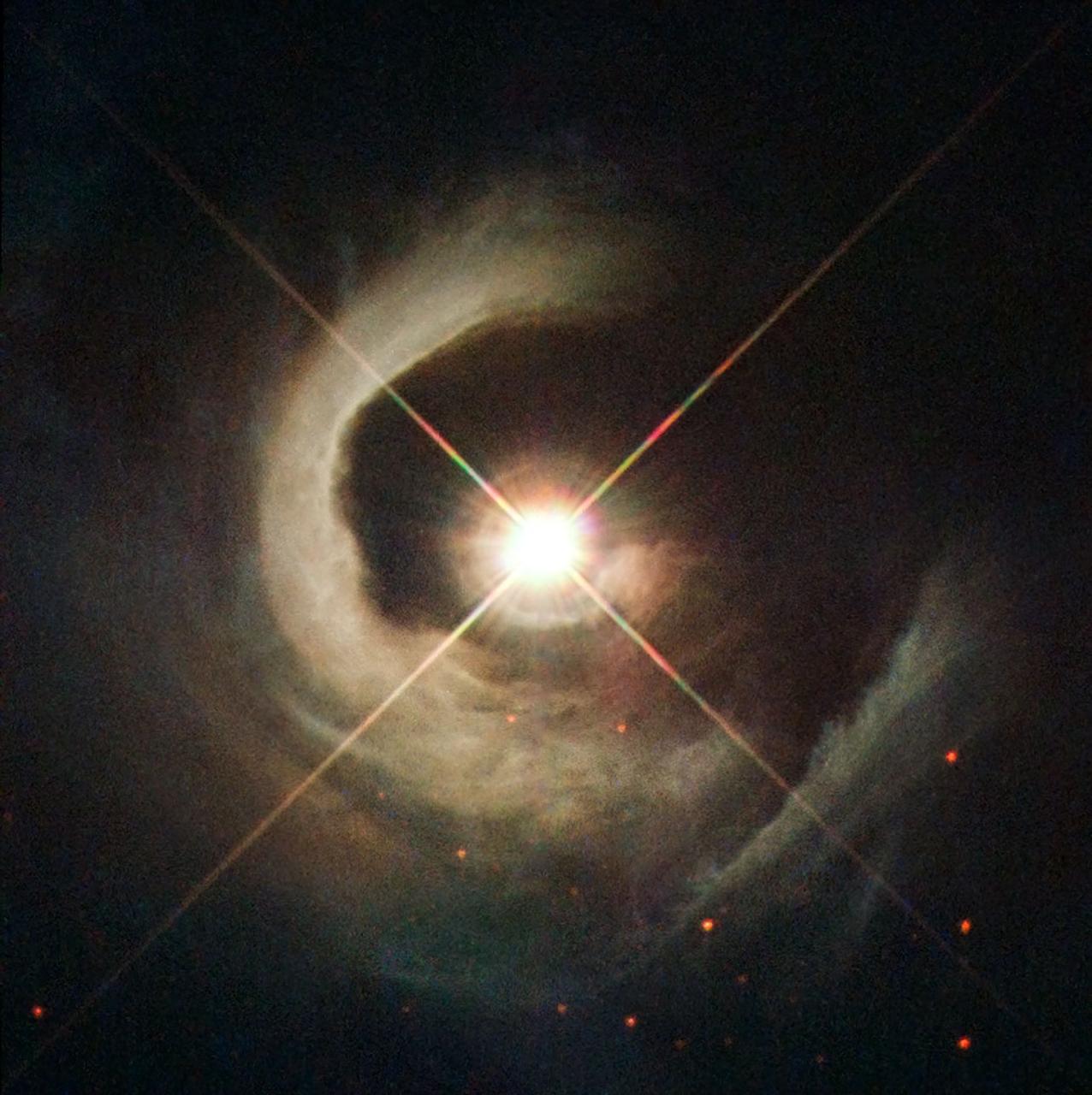
Image Credit: NASA.
|
| Image Credit: NASA. |
Introduction:
When we look up at the night sky, we see countless twinkling dots scattered across the vast darkness. These points of light, known as stars, have fascinated humanity since the dawn of time. Ancient civilizations studied them for guidance, inspiration, and even storytelling. Today, modern astronomy reveals that stars are not just distant lights, but massive spheres of burning plasma which are the cosmic furnaces that shape galaxies, give birth to planets, and even make life possible by creating the elements within our bodies. In this blog, we’ll explore the discovery of stars, their nature, types, life cycle, and amazing facts that show why stars remain one of the most mysterious wonders of the universe.1. Early Discovery and Human Fascination:
Humans have observed stars since prehistoric times. Our ancestors didn’t have telescopes, but their naked eyes could see thousands of stars. They used them for:Navigation:
 |
| The North Star: Polaris. |
Sailors relied on constellations like the North Star known as Polaris to guide their way across oceans.
Calendars:
 |
| Sirius. |
Ancient Egyptians observed the star Sirius, whose rising signaled the annual flooding of the Nile.
Mythology:

Image Credit: NASA. The Ursa Major Constellation.
The Greeks connected stars into constellations like Orion, Leo, and Ursa Major, weaving stories into the night sky.
The first scientific approach came with philosophers like Aristotle and Ptolemy, who believed stars were fixed points on a celestial sphere. It wasn’t until the invention of the telescope in the early 1600s by Galileo Galilei that we began to understand stars as suns are faraway objects like our own Sun.
The first scientific approach came with philosophers like Aristotle and Ptolemy, who believed stars were fixed points on a celestial sphere. It wasn’t until the invention of the telescope in the early 1600s by Galileo Galilei that we began to understand stars as suns are faraway objects like our own Sun.
2. What Are Stars Made Of?
At their core, stars are giant spheres of plasma held together by gravity. They produce energy through nuclear fusion, where hydrogen atoms fuse to form helium, releasing enormous amounts of light and heat.Core:
The hottest part, where fusion occurs (up to 15 million °C).
Radiative & Convective Zones:
Layers that transfer energy outward.
Photosphere:
The “surface” we see shining.
Corona:
The outermost layer, extending millions of kilometers into space.
Fun fact:
The light we see from stars often traveled for thousands or even millions of years before reaching Earth. When you look at the stars, you’re literally looking back in time!
3. Types of Stars:
Not all stars are the same. They vary by size, temperature, and color.Red Dwarfs:
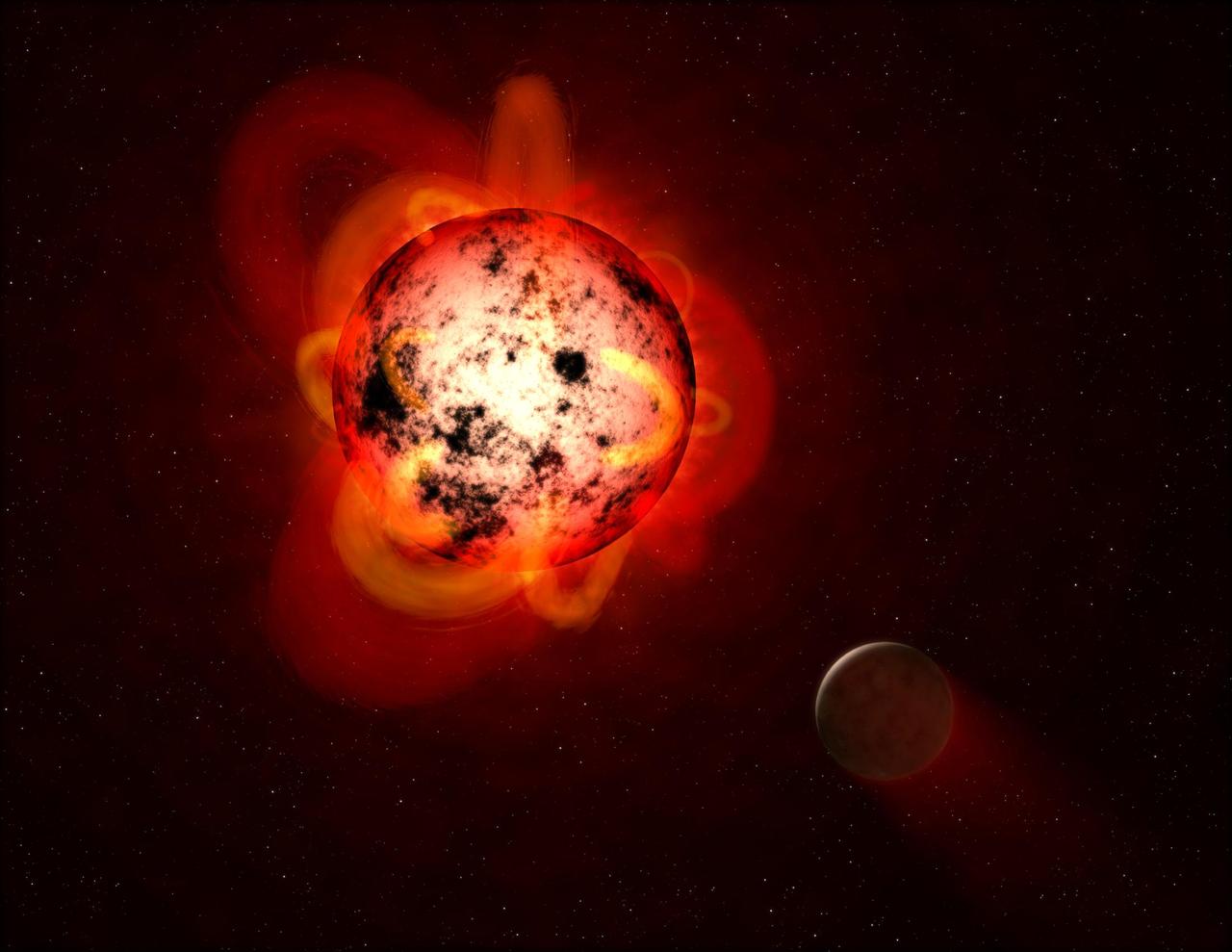 |
| Image Credit: NASA. Red Dwarf. |
Smallest and coolest stars. They burn hydrogen very slowly and can live for trillions of years.
Stars like our Sun. They live about 10 billion years.
Extremely hot and massive, shining bright but living only a few million years.
Blue Giants:
 |
| Blue Giant. |
White Dwarfs:
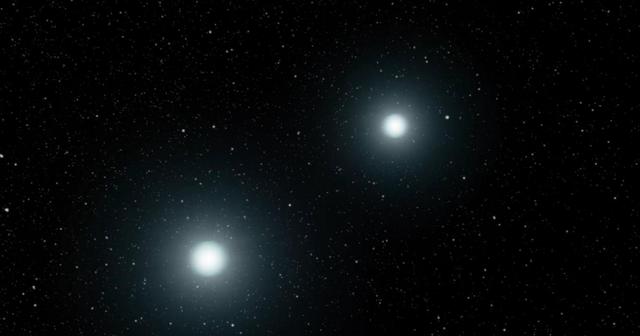 |
| Image Credit: NASA. White Dwarfs. |
Neutron Stars:
 |
| Image Credit: Neutron Star. |
Super dense remains after a supernova, just a few kilometers wide but heavier than the Sun.
 |
| Image Credit: NASA. Blackhole. |
If a massive star collapses under its own gravity, it forms a black hole which is an object so dense that not even light can escape.
The color of a star tells us its temperature:
The color of a star tells us its temperature:
Blue = hottest (40,000 °C)
White = hot (10,000 °C)
Yellow = medium (6,000 °C, like our Sun)
Red = cooler (3,000 °C)
White = hot (10,000 °C)
Yellow = medium (6,000 °C, like our Sun)
Red = cooler (3,000 °C)
4. The Life Cycle of a Star:
Stars are not eternal—they are born, live, and eventually die.Stellar Nursery:
 |
| Image Credit: NASA. Nebula. |
Stars begin in clouds of gas and dust called nebulae. Gravity pulls matter together, forming a protostar.
Main Sequence:
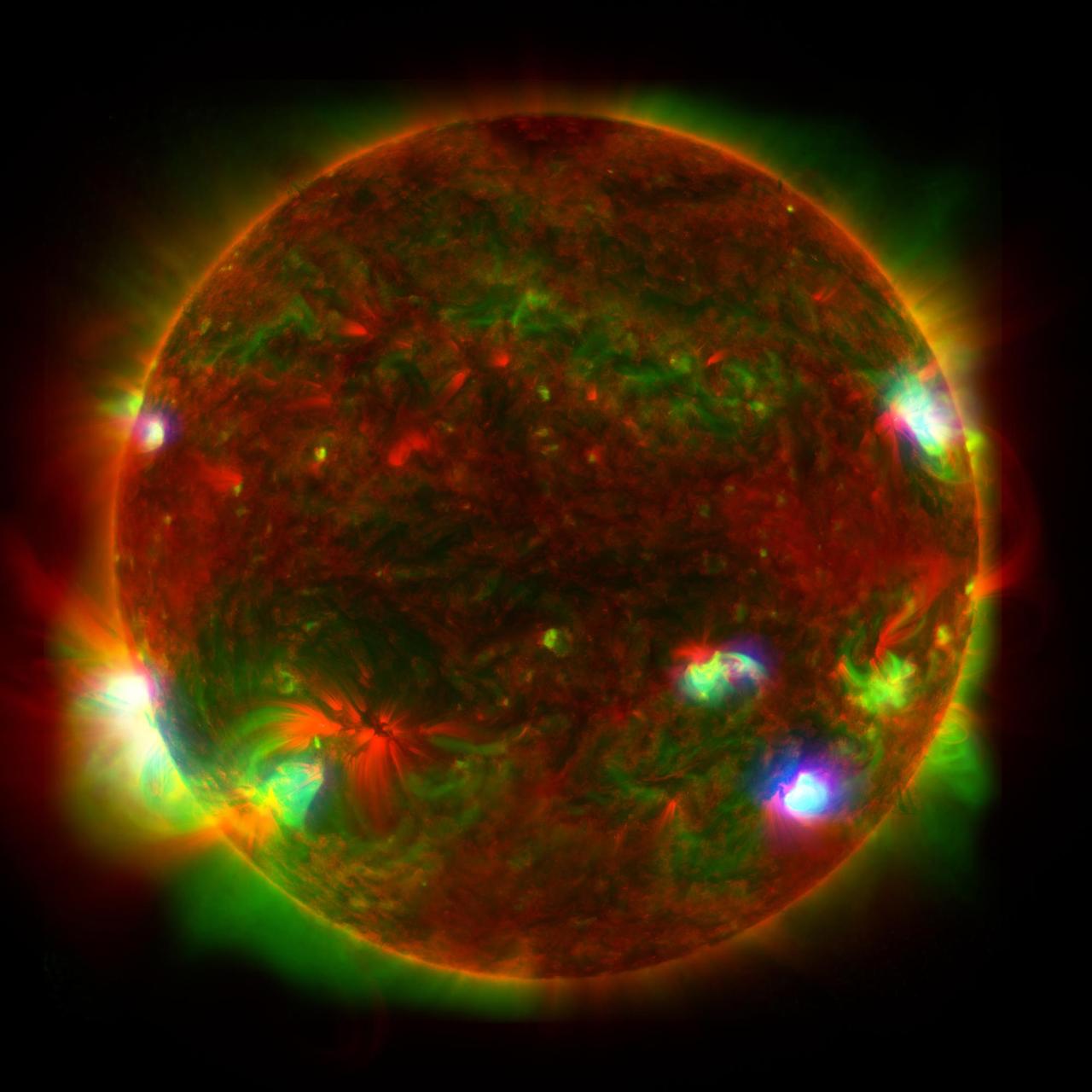 |
| Image Credit: NASA. Sun. |
Red Giant / Supergiant:
When hydrogen runs out, the star expands. Small stars become red giants, while massive stars swell into super giants.
Death:
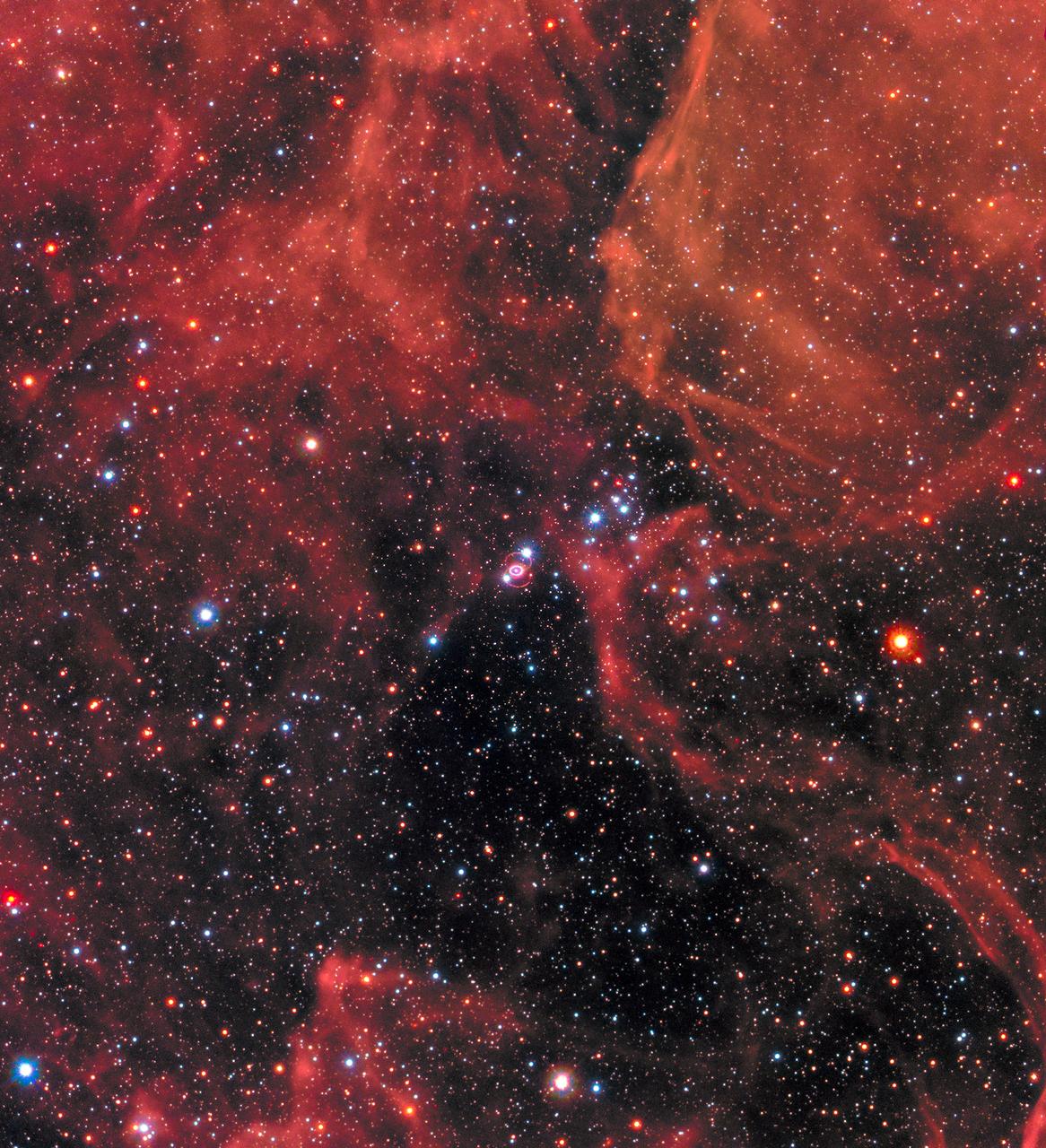 |
| Image Credit: NASA. Supernova Remnant. |
The most amazing part? Supernovae scatter heavy elements like carbon, oxygen, and iron into space which are the very elements that make up Earth and our bodies. As astronomer Carl Sagan once said: “We are made of star stuff.”
5. Famous Discover About Stars:
Parallax Method (1838):
 |
| 61 CYGNI Star. |
Friedrich Bessel measured the distance to a star (61 Cygni), proving stars are not just lights but faraway suns.
Spectroscopy (1800s):
Scientists used starlight to discover what stars are made of mostly hydrogen and helium.
Hertzsprung-Russell Diagram (1910):
A chart showing the relationship between star brightness and temperature, helping us classify stars.
Space Telescopes (1990s–today):
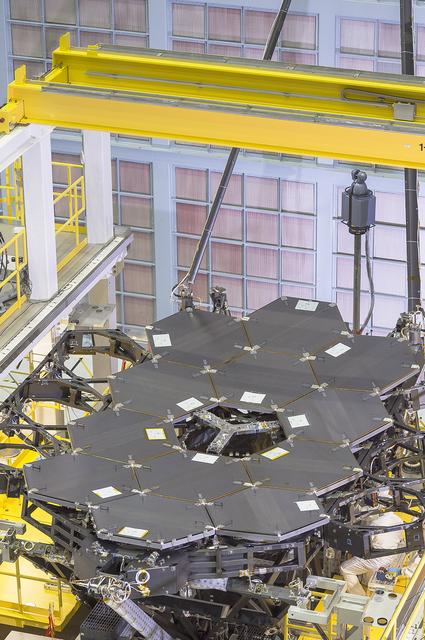 |
| Image Credit: NASA. Hubble Space Telescope. |
With the Hubble and James Webb Space Telescopes, we now see stars billions of light-years away.
As we look to the skies, we’re reminded of our tiny place in a vast cosmos and the timeless beauty of the stars that have been watching over us for millions of years.
6. Stars and Human Civilization:
Stars aren’t just scientific objects, but they shaped human culture:- Astrology linked star patterns to human fate (though not scientific, it was culturally important).
- Stars guided explorers during the Age of Discovery.
- The Sun, our nearest star, powers life on Earth through photosynthesis.
- Even today, stars inspire art, poetry, music, and dreams of space travel.
7. Amazing Facts About Stars:
- The nearest star to Earth (after the Sun) is Proxima Centauri, 4.24 light-years away.
- A teaspoon of material from a neutron star would weigh billions of tons on Earth.
- The biggest known star, UY Scuti, is about 1,700 times larger than the Sun. If placed in the center of our solar system, it would engulf Jupiter!
- Stars don’t actually twinkle instead, Earth’s atmosphere bends their light, making them appear to shimmer.
- Some stars exist in pairs (binary systems) or even in groups of three or more.
8. The Future of Stars:
Astronomers estimate that red dwarf stars will outlive all others, burning slowly for trillions of years. When the last stars finally die, the universe will be dark and cold—a stage called the heat death of the universe. But until then, stars will continue to form, shine, and die, recycling material and fueling cosmic evolution.Conclusion:
From ancient myths to cutting-edge telescopes, stars remain one of humanity’s greatest obsessions. They are not just lights in the sky but cosmic powerhouses, creating elements, guiding civilizations, and inspiring us to explore the unknown. By studying stars, we don’t just understand the universe, but we understand ourselves. After all, the iron in our blood and the calcium in our bones were forged in the heart of a star billions of years ago.As we look to the skies, we’re reminded of our tiny place in a vast cosmos and the timeless beauty of the stars that have been watching over us for millions of years.


Comments
Post a Comment