What is a Nova and Its Types?
What Is a Nova? The Cosmic Firework You Have Never Heard Of:
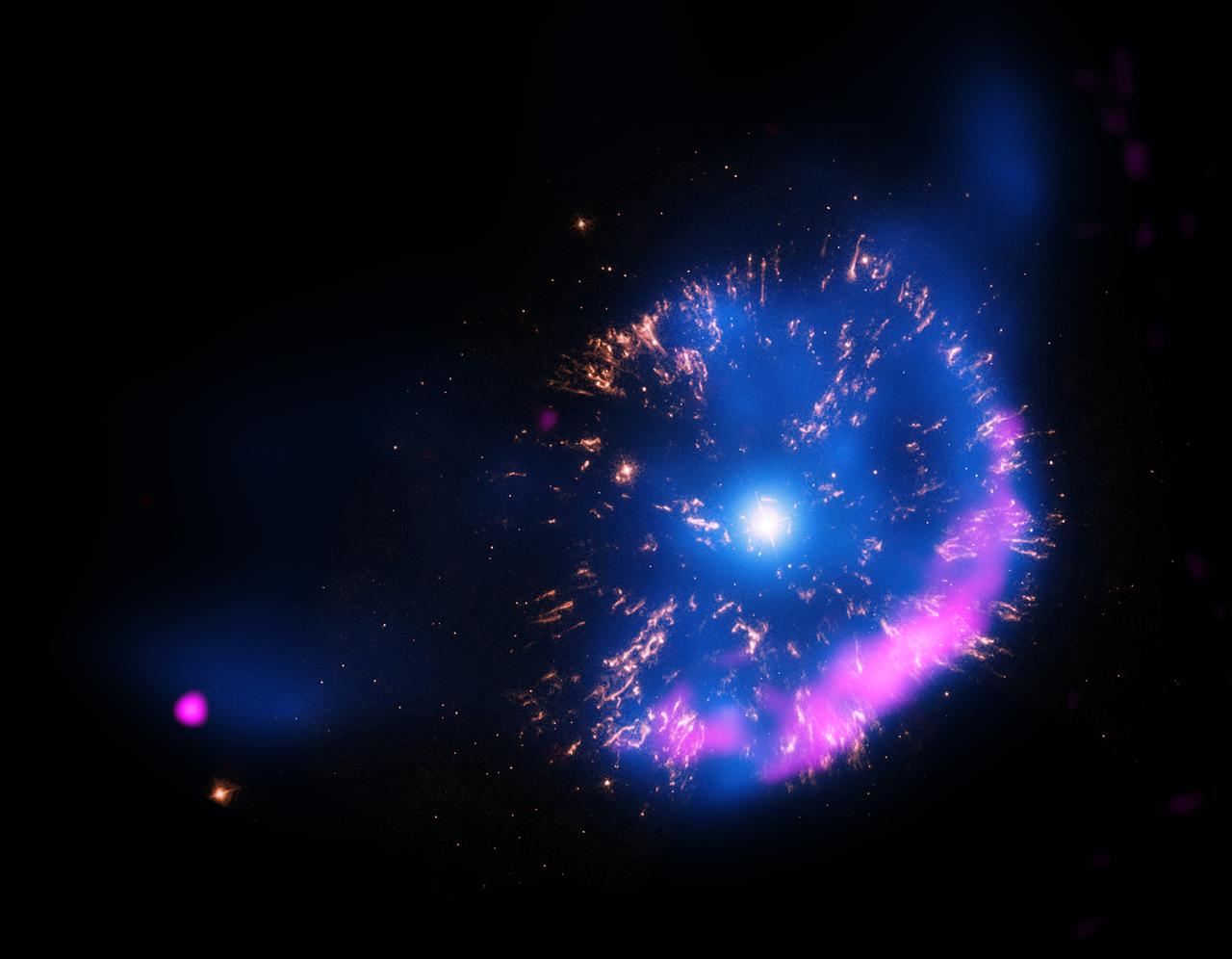
Image Credit: NASA. Nova.
When we think of space explosions, our minds usually jump to supernovas which are those brilliant and star-ending fireworks that light up the galaxy. But what if I told you there’s a gentler and subtler kind of explosion, one that doesn’t kill the star but instead lets it flare up and burn brighter again like a star with a second wind!Let me introduce you to the nova which is the underrated sibling in the stellar explosion family.
What Is a Nova?
A nova which means ''new'' in Latin, happens when a white dwarf which is the tiny and burnt-out remnant of a once-normal star suddenly flares up in brightness. But here's the twist that it does not explode because it's dying. It explodes because it’s hungry. In most cases, the white dwarf is orbiting a nearby normal star like a cosmic vampire. Over time, it steals gas, which is mostly hydrogen, from its companion, feeding silently until enough pressure builds on its surface. Then boom. A nuclear reaction ignites on the white dwarf’s surface, releasing a brilliant flash of energy which is the nova. The star does not die. It just puts on a dramatic light show and keeps going.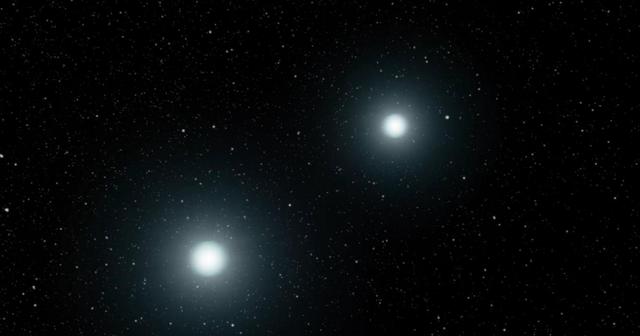 |
| Image Credit: NASA. White Dwarfs. |
Types of Novas:
Though “nova” sounds like one thing but it’s actually an umbrella term. Let’s break down the types of novas we know about:Classical Novae:
These happen once every few thousand years per star system. The white dwarf gathers enough fuel and detonates dramatically. The star can brighten by up to 10,000 times.Example: Nova Cygni 1975.
Recurrent Novae:
These stars go through repeat outbursts, sometimes every decade or two. The system isn’t destroyed, so the cycle of feeding and exploding continues like a space volcano with a bad temper.Example: RS Ophiuchi erupts every 15–20 years.
Dwarf Novae:
These are less powerful than classical ones. They are caused by changes in the accretion disk which is the gas swirl around the white dwarf. It is more like flickers than flares but still stunning in telescopes.Nova Facts You Will Want to Tell Your Friends:
- A nova can appear so suddenly in the sky that ancient astronomers called them “new stars.”
- Some systems go through dozens of novas over centuries which is like an eternal cosmic cycle.
- Novas help spread heavier elements like nitrogen, carbon, and lithium into space which are the building blocks of planets and us.
- Some are even visible to the naked eye if you're lucky.
In short, Novas are like the introverts of cosmic explosions. They don’t destroy; they don’t dominate headlines but they’re still vital, beautiful, and mysterious. In the grand theater of the universe, they remind us that not every explosion is the end and sometimes, it’s just the next act.


Comments
Post a Comment